
Table of Contents
Professional Water Tank Cleaning Tips: 5 Effective Hacks for Safe & Clean Water
Clean water is essential for a healthy lifestyle, and your water tank plays a major role in maintaining water quality. Over time, water tanks can collect dirt, sediment, algae, and harmful bacteria, which may affect the taste, smell, and safety of your water supply.
Regular water tank cleaning is necessary to ensure safe and hygienic water for daily use. In this guide, we share five effective and practical water tank cleaning tips to help you maintain a clean and healthy water storage system.
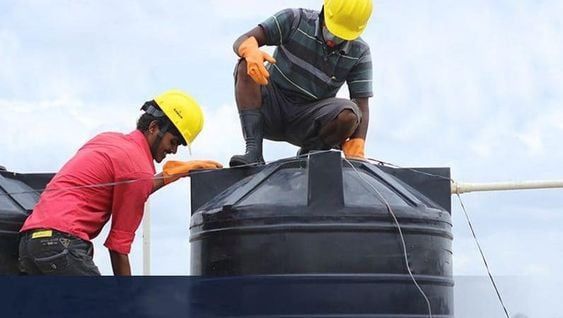
1. Regular Inspection for Better Water Tank Maintenance
Routine inspection is the first step toward maintaining a clean water tank. Checking your tank regularly helps identify early signs of damage or contamination.
What to Check During Inspection:
- Cracks or leakage on the tank body
- Sediment buildup at the bottom
- Algae growth inside the tank
- Loose or damaged lids and pipes
Early detection of these issues can help prevent serious water contamination problems.
2. Proper Draining and Flushing Technique
Draining and flushing your water tank is essential to remove accumulated dirt and debris.
Steps to Follow:
- Turn off the main water supply
- Open the drainage valve and empty the tank completely
- Use a hose to flush clean water inside the tank
- Let water flow for a few minutes to remove residue
- Close the valve and refill the tank with fresh water
This process helps eliminate sediment and improves water quality significantly.
3. Use Safe and Effective Cleaning Solutions
Choosing the right cleaning agents is important for safe water tank maintenance. Avoid harsh chemicals and use safe, eco-friendly options.
Recommended Cleaning Solutions:
Vinegar Solution
A mixture of vinegar and water helps remove mineral deposits and naturally disinfects the tank.
Hydrogen Peroxide Solution
Diluted hydrogen peroxide is effective in killing bacteria and algae without leaving harmful residue.
Always rinse thoroughly after cleaning to ensure no chemical traces remain in the tank.
4. Use Proper Cleaning Tools for Deep Cleaning
Using the right tools makes water tank cleaning more effective and efficient.
Useful Cleaning Tools:
- Long-handled scrub brushes for walls and corners
- High-pressure water spray for stubborn dirt
- Vacuum pump or siphon for removing sludge and sediment
These tools help ensure a deep and thorough cleaning of the tank interior.
5. Follow a Regular Water Tank Maintenance Schedule
Consistency is key when it comes to maintaining a clean water tank. A proper schedule helps prevent contamination and ensures long-term water safety.
Recommended Maintenance Plan:
- Inspection: Every 6 months
- Draining & flushing: Every 6–12 months
- Deep cleaning: Once or twice a year
- Filter replacement: As per manufacturer guidelines
Setting reminders can help you stay consistent with maintenance tasks.
Importance of Clean Water Tank Maintenance
Regular cleaning of your water tank offers several benefits:
- Safe and hygienic drinking water
- Prevention of bacteria and algae growth
- Improved water taste and odor
- Longer lifespan of water tank
- Reduced health risks for your family
Conclusion
Maintaining a clean water tank is essential for ensuring safe and healthy water for your household. By following these five practical cleaning hacks—inspection, draining, safe cleaning solutions, proper tools, and regular maintenance—you can significantly improve water quality and hygiene.
For best results, consider professional water tank cleaning services if your tank requires deep or advanced cleaning. Clean water starts with a clean tank, and regular care ensures long-term safety for your home.